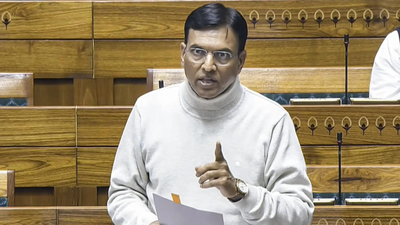
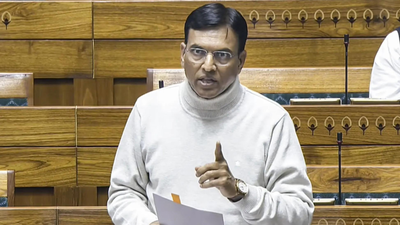
NEW DELHI: Union labour minister Mansukh Mandaviya on Monday defended the four Labour Codes in the Lok Sabha, citing their impact on women workers, particularly in Assam’s tea plantations, amid opposition’s criticism that the reforms dilute labour protections. His remarks came in response to questions on implementation and safeguards under the Codes.Responding to a question on women workers in tea gardens, Mandaviya said: “Whether it is a tea garden or any factory or establishment anywhere in the country, the Labour Codes have made strong provisions for the dignity, safety, health, and rights of women workers.” He said equal wages for men and women for the same work had been guaranteed, health facilities ensured and maternity benefits strengthened through provisions such as crèche facilities and paid leave.Referring to social security cover, the minister told the House that under Ayushman Bharat and ESIC, women workers and their families are entitled to cashless treatment, including for illnesses linked to hazardous work. He added that wherever 50 or more women workers are employed, housing, drinking water and sanitation facilities have been made mandatory. “In every establishment, an Internal Complaints Committee or grievance redressal committee is mandatory, and it is compulsory to include women members in it,” he said.Mandaviya noted that women constitute 70–80% of the tea garden workforce and said over 12 lakh plantation workers were benefiting from the Codes. He questioned the Opposition’s resistance, asking whether it objected to equal wages, maternity benefits and health security for women.Opposition parties, including Congress and Trinamool, have argued that the Codes favour employers through longer work hours and weaker enforcement. The government maintains that the reforms modernise labour laws and expand social security coverage. After the debate, Mandaviya reiterated his position on social media, listing equal pay, health security, maternity benefits, safe workplaces and mandatory grievance committees as core safeguards for women workers.